Much has been said about the importance of these muscles in women especially after giving birth.
Overactive pelvic floor ostetitis pubis.
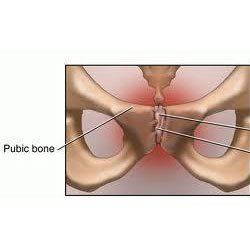
Osteitis pubis is a noninfectious inflammation of the pubis symphysis causing varying degrees of lower abdominal and pelvic pain.
It is difficult to know whether your pelvic floor is in a relaxed state or not.
Diagnosis is usually made in the advanced stages when the pubis bones have begun to erode at the pubic symphysis.
Sometimes overactive pelvic floor muscles are also known as hypertonic pelvic floor muscles.
It is an overuse injury e g.
Generally when your pelvic floor is overactive so too are your abdominals.
What causes overactive pfms.
It may also occur as an inflammatory process in athletes.
There can be many different contributing factors.
Pelvic floor physical therapy.
Pfm function is important in stabilizing the pelvic girdle from underneath and overactivity in these muscles can result in weakness and impaired neuromuscular control.
Repeated trauma rather than a specific incident.
Osteitis pubis symphysis pubis diastasis and subluxation misalignment are disorders that occur at the symphysis pubis.
Osteitis pubis was first described in patients who had undergone suprapubic surgery and it remains a well known complication of invasive procedures about the pelvis.
So i find that by starting with relaxing the abdominals it is easier to then relax the pelvic floor.
The incidence and cause of osteitis pubis as an inflammatory process versus an infectious process continues to fuel debate among physicians when.
The pelvic floor is made up of a group of muscles that run from the pubic bone at the front and the coccyx tailbone at the back.
We are honored to have you as a patient.
We want to make your healing and recovery as positive and beneficial as possible.
Try this flow to relax the abdominals and pelvic floor.
However it is not uncommon for a particular event to trigger the symptoms.
It includes the three layers of pelvic floor muscles pfm.
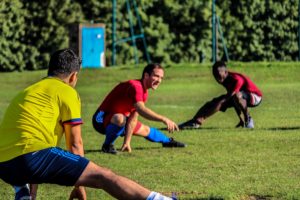
Osteitis pubis is a common cause of chronic groin pain in the football codes.