In 1966 nasa launched the world s first orbiting astronomical observatory powered by a one kilowatt array.
Nasa invented solar panels.
Nasa s grapefruit sized vanguard 1 satellite was the first to use solar cells when it was launched in 1958 and solar panels are still used extensively in space.
Another nasa partner msgi technology solutions recently unveiled solar cells that incorporate tiny carbon pillars called nanotubes into the solar cell design.
Groups of solar cells that collect the sun s energy and change it into electrical power.
Solar cells at that stage were still suitable for use in space and in 1958 the vanguard 1 spacecraft used solar as a backup energy source.
The building didn t use solar panels.
In 1972 the university of delaware created the first laboratory dedicated to photovoltaic research.
Solar power has long been of interest at nasa starting with vanguard 1 the first artificial satellite powered by solar cells to start circling the globe.
The nanotubes help reduce reflected light using the pillars to snag photons that would bounce off of a traditional flat panel.
In the 1970s spurred by a new interest in renewable energy itself brought on by the 1970s oil crisis solar became somewhat of a hot topic with jimmy carter even installing solar panels on the white house.
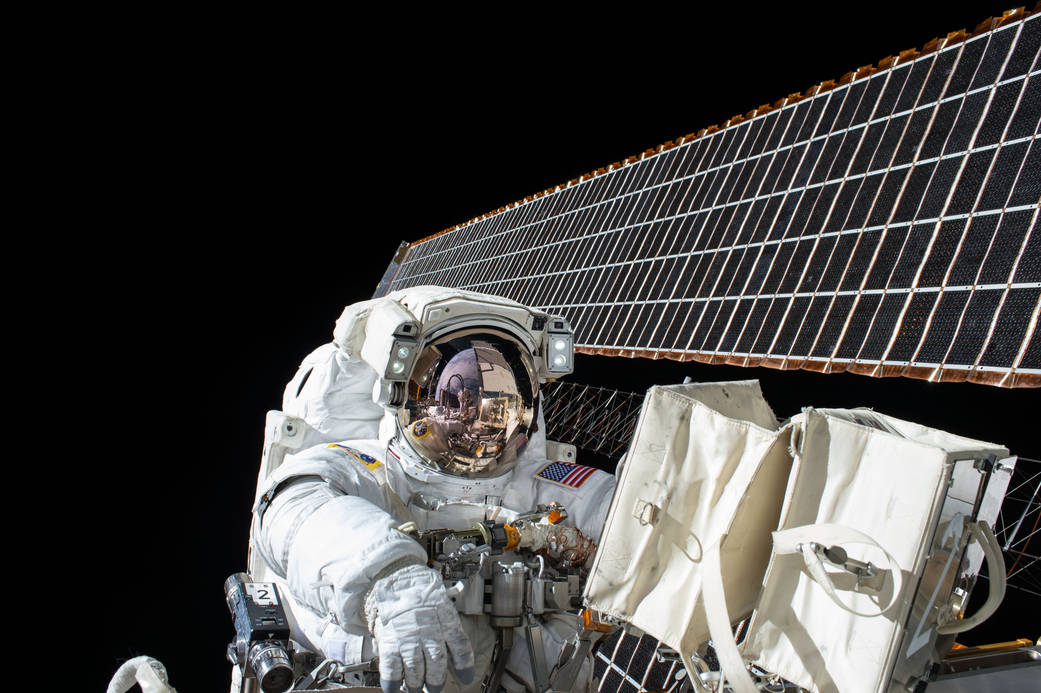
The international space station.
A year later a solar cell was developed with 10 efficiency but still saw little usage outside of spaceflight.
The hubble space telescope uses solar panels for energy.
First solar residence in 1973 the university of delaware was responsible for constructing the first solar building named solar one the system ran on a hybrid supply of solar thermal and solar pv power.
Chapin et al s solar energy converting apparatus patented february 5 1957 u s.
In 1954 the three american researchers gerald pearson calvin fuller and daryl chapin were able to create a solar panel that could the had the efficiency level of 6 with direct sunlight.
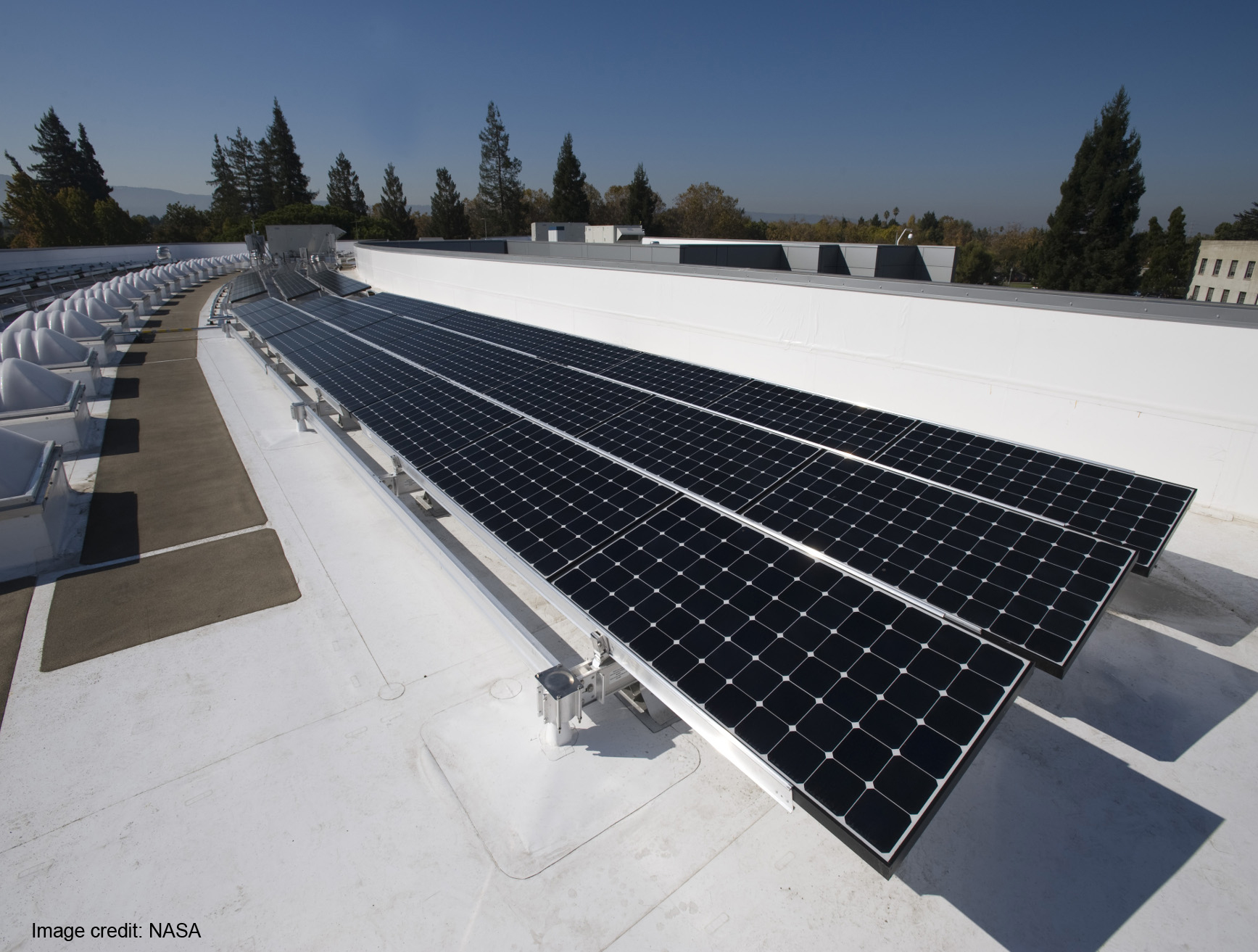
Instead solar was integrated into the rooftop.
While the very first satellites were battery powered solar arrays became common in orbit by the 60s.
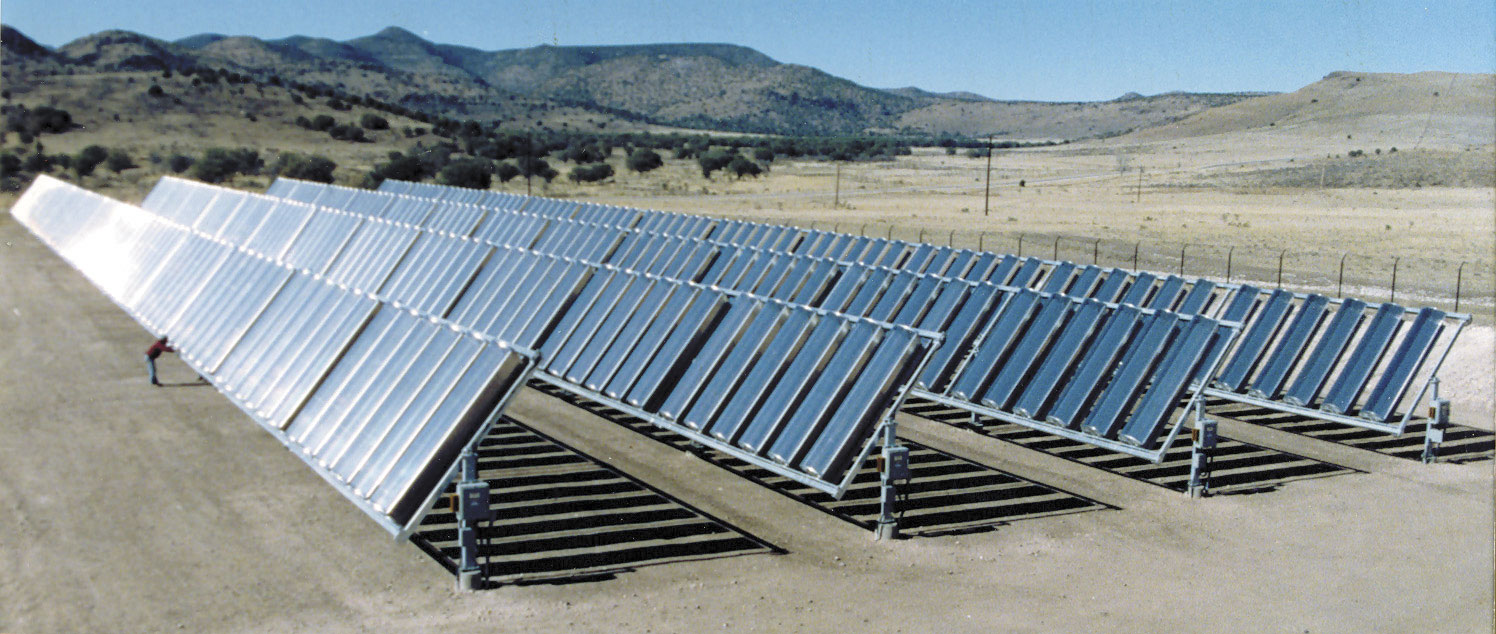
Solar panels on rooftops collect energy from the sun that can be used for heat and power.
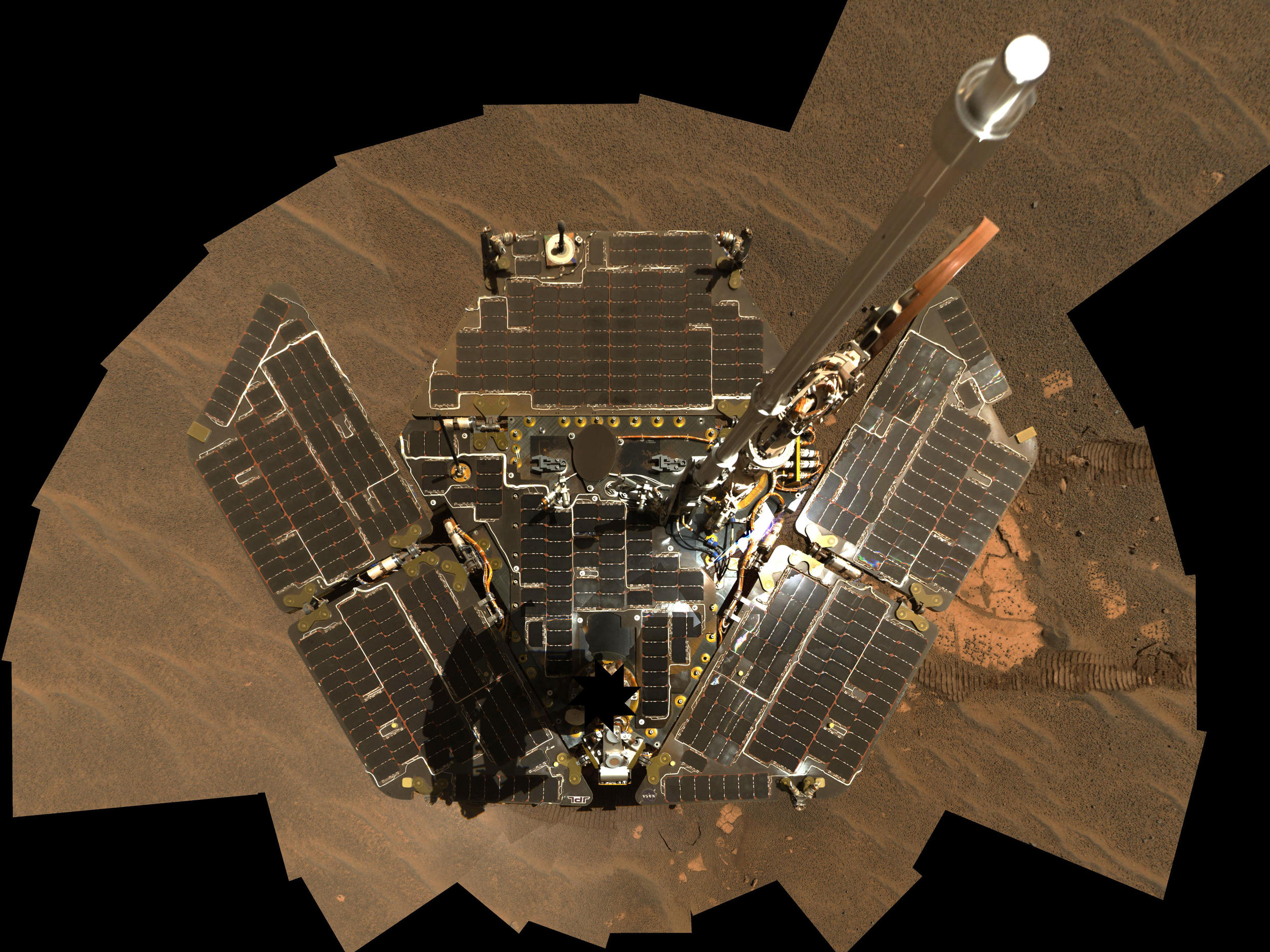
Nasa has taken an interest in solar for a long time.
Oil shortages fueled solar power s growth.
Now almost everything arriving in the ionosphere is multi junction.
Regular silicon cells were used first until gallium arsenide made it out of r d in the 90s.
The early 1970s brought a surge of renewed interest in solar energy s potential as a renewable source of electricity.